We use cookies to make your experience better. To comply with the new e-Privacy directive, we need to ask for your consent to set the cookies. Learn more.
Skip to Content
Got a Question? Call
+44 (0)1892 481 100

Over 30 Years Experience
We get it right, first time, every time!
Collect from our Trade Counter
Monday to Friday 8.30am - 5pm
Fast Delivery TIMES
Orders Dispatched Same Day*
Conventional Sounders, VIDS & VADS
Conventional sounders, VIDs, and VADs are essential components for creating an inclusive, effective fire alarm system that addresses the needs of all occupants.
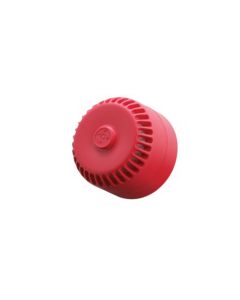
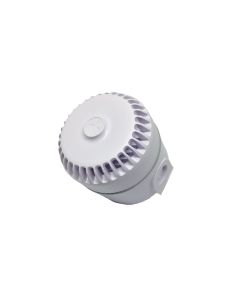
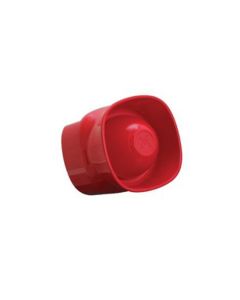


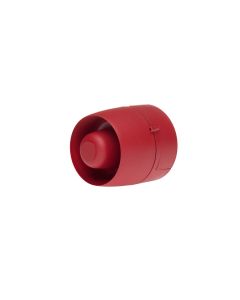
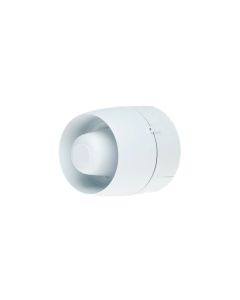
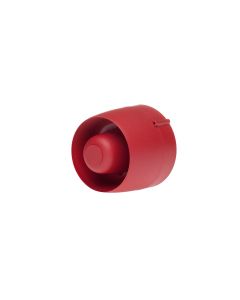
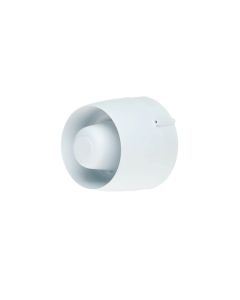
Conventional Sounders, VIDs & VADs FAQs
Learn more about conventional sounders, visual indicator devices, visual alarm devices and conventional fire alarm notification systems available from Firesense.
What are conventional sounders, VIDs and VADs?
Conventional sounders, Visual Indicator Devices (VIDs), and Visual Alarm Devices (VADs) are essential components of a conventional fire alarm system, providing critical audio and visual signals to alert occupants of an emergency and facilitate safe evacuation. These devices are designed to work together, ensuring that all building occupants are promptly informed of a fire, regardless of their location within the premises or any sensory impairments. Sounders emit loud, audible alarms, while VIDs and VADs use bright, flashing lights to provide visual signals. This combination of audio and visual alerts is crucial for creating a comprehensive and accessible fire safety system.
Why are conventional sounders important in fire alarm systems?
Conventional sounders play a vital role in fire safety, as they provide the primary auditory alert in the event of a fire. When the fire alarm system is triggered, sounders emit a loud, distinctive tone that is easily recognisable and designed to capture immediate attention. This sound is typically continuous and piercing, ensuring that it can be heard even in noisy environments. In large buildings, multiple sounders may be placed strategically throughout each zone to ensure that the alarm is audible in all areas, including hallways, stairwells, and individual rooms. The high decibel levels of conventional sounders make them effective at penetrating background noise, making them suitable for factories, warehouses, and other industrial settings.
What are Visual Indicator Devices, or VIDs?
Visual Indicator Devices (VIDs) are essential in environments where the audible alarm may not be enough to alert all occupants. VIDs emit bright flashing lights that are highly visible, even from a distance or in low-light conditions. This visual alert ensures that individuals with hearing impairments or those in noisy areas are still made aware of the emergency. VIDs are particularly useful in spaces where noise levels fluctuate, such as workshops or areas with machinery, as they provide a reliable, non-intrusive alert that complements the sounders. Typically installed in high-traffic areas and near exits, VIDs contribute to a more inclusive fire safety system by addressing the needs of all building occupants.
What are Visual Alarm Devices, or VADs?
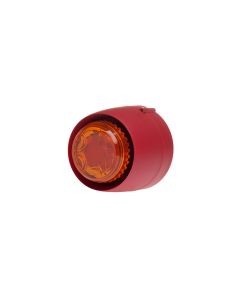
Visual Alarm Devices (VADs) go one step further by combining the functions of sounders and visual indicators into a single unit. VADs emit both an audible alarm and a bright flashing light, providing a multi-sensory alert that is particularly effective in large or complex environments. In some cases, VADs are configured to flash in synchronisation, enhancing their visibility and ensuring that occupants recognise the alarm as an emergency signal. VADs are often installed in areas where a combined audio-visual alert is critical, such as large open spaces, multi-story buildings, and public venues. This dual-alert feature ensures that all individuals are informed of the emergency, supporting a safe and orderly evacuation.
What is the difference between a VID and a VAD?
A VID provides a visual warning signal only, typically using a flashing light. A VAD combines both visual and audible alarm signals within the same device, helping provide enhanced occupant notification during an emergency.
What are the benefits of conventional sounders, VIDs and VADs?
By offering both auditory and visual alerts, these devices ensure that everyone in the building, including individuals with sensory impairments, is informed of an emergency and can respond promptly. The combination of sound and light provides a clear and unmistakable warning, helping to facilitate a swift and safe evacuation.
How do conventional sounders, VIDs and VADs work within a conventional fire alarm system?
One of the significant benefits of conventional sounders, VIDs, and VADs is their simplicity and ease of integration within a conventional fire alarm system. Since conventional systems operate on a zonal basis, these devices are connected to specific zones on the fire alarm control panel. When an alarm is triggered, the control panel activates the sounders, VIDs, or VADs within the affected zone, alerting occupants to evacuate the area. This zonal approach simplifies the installation and maintenance of these devices, as each zone can be managed independently, reducing system complexity.
Can conventional sounders, VIDs and VADs be adjusted for different environments?
Another advantage of conventional sounders, VIDs, and VADs is their flexibility. At Firesense, we offer devices with adjustable settings, allowing for customisation based on the unique requirements of each environment. For instance, the volume of sounders can be adjusted to accommodate different noise levels in various areas, ensuring that the alarm is neither too faint to be effective nor too loud to cause distress. Similarly, the flash intensity of VIDs and VADs can be modified for optimal visibility, taking into account factors like room size and ambient lighting. This flexibility enables building managers to create a tailored fire safety system that meets the specific needs of their facility.
Are conventional sounders, VIDs and VADs durable?
Conventional sounders, VIDs, and VADs are designed to be durable and reliable, with components built to withstand daily wear and tear. Many of these devices are manufactured to function effectively in challenging environments, including areas with dust, humidity, or temperature fluctuations. This durability is particularly important in industrial and commercial settings, where environmental conditions may vary. By investing in high-quality, resilient devices, building managers can ensure that their fire alarm system remains fully operational and effective over time.
What types of buildings use conventional sounders, VIDs and VADs?
Conventional sounders, VIDs and VADs are suitable for a range of environments including commercial buildings, industrial facilities, educational institutions and residential complexes. They are especially useful where clear audible and visual fire alarm notification is required to support safe evacuation.
What fire alarm products work alongside conventional sounders, VIDs and VADs?
Conventional sounders, VIDs and VADs are typically installed as part of a complete conventional fire alarm system alongside control panels, detectors and manual call points.
Why choose Firesense for conventional sounders, VIDs and VADs?
At Firesense, we understand the critical role that sounders, VIDs, and VADs play in a fire alarm system. Our team of experts is dedicated to helping clients choose the right combination of devices to suit their building’s layout and occupancy patterns. We provide comprehensive support, from product selection and installation advice to ongoing guidance, helping ensure each component is suitable for the application and fire alarm system requirements.
Where can I buy conventional sounders, VIDs and VADs?
With Firesense’s selection of high-quality conventional sounders, VIDs, and VADs, you can build a reliable fire alarm system that offers comprehensive protection for your facility. Firesense is committed to providing dependable, compliant fire safety products, ensuring that your building is equipped to protect lives and property in any emergency.