We use cookies to make your experience better. To comply with the new e-Privacy directive, we need to ask for your consent to set the cookies. Learn more.

Grenfell Prosecutions Move Closer
Grenfell Prosecutions Move Closer
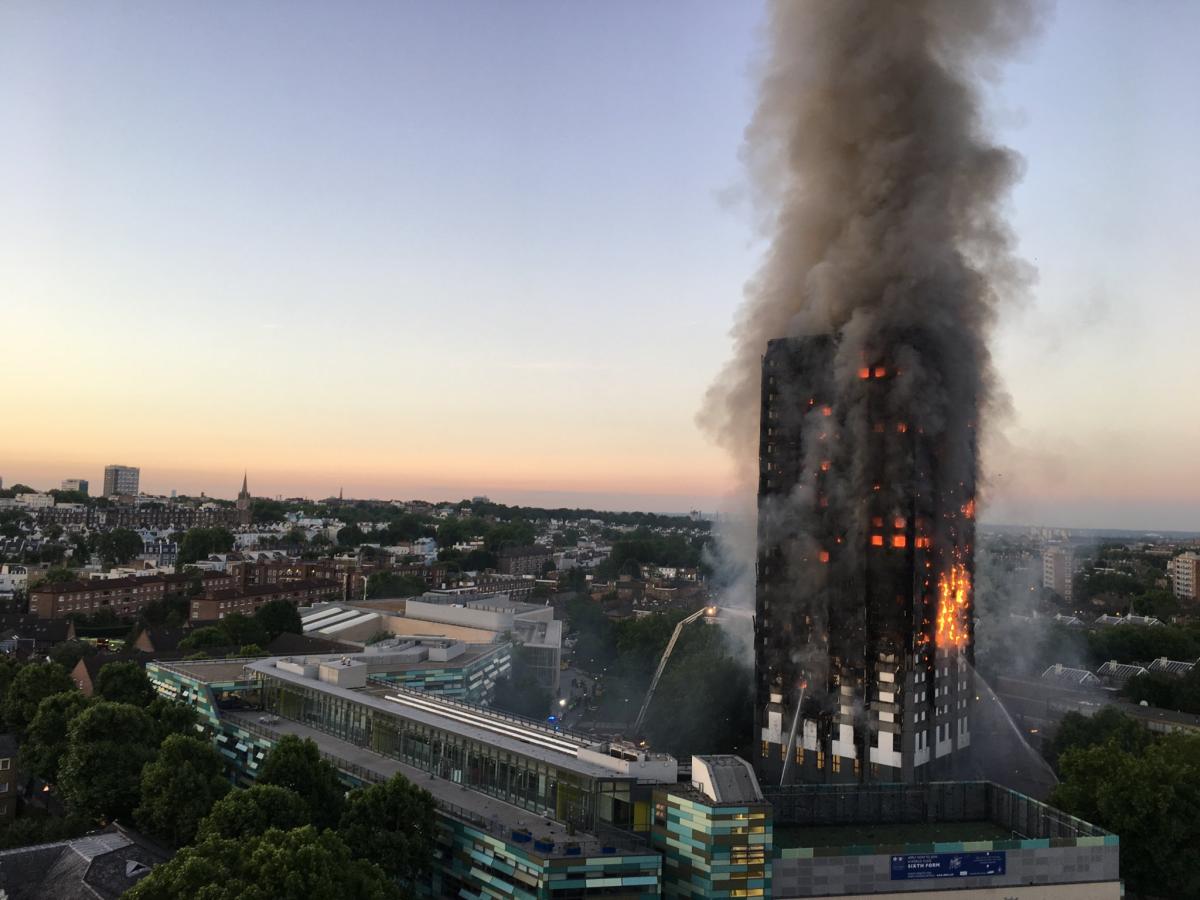
Nearly a decade after the Grenfell Tower tragedy claimed 72 lives, the focus is beginning to shift from inquiry findings to potential criminal prosecutions.
The Metropolitan Police has confirmed that it remains on track to submit all remaining evidence files to the Crown Prosecution Service (CPS) by September 2026, with charging decisions expected before the tenth anniversary of the fire in June 2027. More than 50 individuals and 20 organisations remain under investigation, with potential offences ranging from corporate manslaughter and gross negligence manslaughter to fraud and health and safety breaches.
For many in the fire safety sector, these developments represent far more than a legal milestone. They mark another critical moment in the UK's ongoing reckoning with building safety failures and the responsibilities of those entrusted with protecting life.
Accountability Is Finally Catching Up
The Grenfell Inquiry exposed a complex chain of decisions, regulatory shortcomings and commercial pressures that contributed to the disaster. The final report concluded that the tragedy was preventable and highlighted failures across multiple parts of the construction, manufacturing and regulatory landscape.
Now, investigators face the challenge of translating those findings into criminal cases. That process is extraordinarily complex. Prosecutors must establish individual and corporate responsibility across years of decisions, documentation, technical evidence and regulatory compliance records. The scale of the investigation is unprecedented, involving millions of documents and years of forensic analysis.
While many survivors and bereaved families have expressed frustration at the pace of progress, the forthcoming charging decisions could become one of the most significant tests of corporate accountability in modern British history.
The Industry Cannot Afford to Wait for Court Outcomes
The legal process will continue for years. Even if charges are brought in 2027, trials may not begin until much later due to the complexity of the case.
However, for responsible building owners, facilities managers and fire safety professionals, the lessons from Grenfell should not depend on criminal verdicts.
The central message emerging from both the inquiry and subsequent investigations is that fire safety cannot be treated as a compliance exercise. Organisations must be able to demonstrate active risk management, transparent decision-making and a commitment to protecting occupants through every stage of a building's lifecycle.
In an environment of increasing scrutiny, maintaining accurate records, documenting fire safety decisions and ensuring systems are properly maintained has become as important as the physical measures themselves.
Early Detection Remains Fundamental
Much of the public discussion surrounding Grenfell has focused on cladding, building materials and regulatory oversight, rightfully so. Yet the tragedy also reinforces a fundamental principle that applies to every building: the earlier a fire is detected, the greater the opportunity to protect lives.
Modern fire detection systems are designed to identify developing incidents before they escalate, providing valuable time for evacuation, emergency response and containment. In complex residential, commercial and mixed-use environments, early warning can significantly reduce risk, minimise damage and support more effective emergency procedures.
As building regulations continue to evolve, fire detection technology is becoming an increasingly important component of a wider fire safety strategy. Detection alone cannot prevent every incident, but it remains one of the most effective tools available for reducing the consequences when a fire occurs.
A Defining Moment for UK Fire Safety
The prospect of criminal charges represents another chapter in the Grenfell 'story', but it should also serve as a reminder that accountability extends beyond the courtroom.
The fire safety sector has already undergone significant change since 2017. New legislation, stronger oversight and greater awareness have improved standards across the industry. Yet the ongoing investigation demonstrates that the consequences of poor decisions can last for decades.
For organisations responsible for buildings today, the message is clear: fire safety must be embedded in design, management and operational decision-making from the outset. Robust fire detection, effective maintenance and a culture of accountability are no longer optional extras. They are essential components of protecting lives and maintaining public trust.
As the legal process moves forward, the industry will be watching closely. But the most important lesson remains the same as it was in 2017: prevention, preparedness and early detection save lives.
Our thoughts are forever with those who lost their loved ones in the fire that took place at Grenfell.