We use cookies to make your experience better. To comply with the new e-Privacy directive, we need to ask for your consent to set the cookies. Learn more.

Suffolk Wildfire is a Wake-Up Call for Fire Safety Across the UK
Suffolk Wildfire is a Wake-Up Call for Fire Safety Across the UK
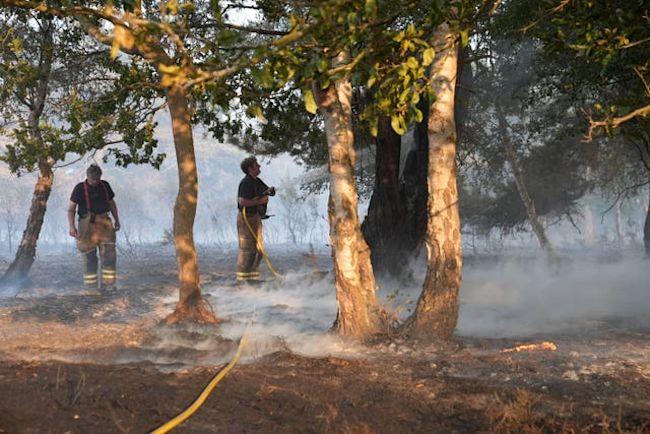
The devastating wildfire sweeping through Dunwich Heath and the surrounding Suffolk coastline is a stark reminder that wildfires are no longer rare events in the UK - they are becoming an increasing threat to our communities, businesses and natural landscapes.
A major incident on the Suffolk Coast
Firefighters continue to battle one of the most significant wildfires seen in England this year after flames tore through large areas of heathland around Dunwich Heath on the Suffolk coast.
The fire, driven by exceptionally dry vegetation, warm temperatures and changing winds, has led to evacuations of homes, a nearby holiday park and surrounding properties. Emergency services declared a major incident as crews from multiple counties worked tirelessly to contain the blaze and protect lives and property.
For many local residents, the fire is more than a news story. It has threatened cherished landscapes, wildlife habitats and communities that have existed for generations.
UK wildfires are becoming more common
Many people still associate wildfires with countries such as Australia, the United States or southern Europe. However, recent years have shown that the UK is increasingly vulnerable.
Extended periods of dry weather combined with hotter summers create ideal conditions for vegetation fires. And that we definitely have had in the UK. The non-stop heatwave with little to no rain has meant a lot of our grounds have dried out making them extremely vulnerable and at risk.
Heathland, grassland, woodland and even agricultural fields can ignite rapidly, particularly when exposed to strong winds.
Once established, wildfires can spread at astonishing speed, making them extremely difficult for fire and rescue services to control.
The dangers of wildfires
Wildfires don't simply destroy vegetation.
They can:
- Threaten homes and businesses (so please make sure your fire alarms are working!!!)
- Damage critical infrastructure
- Produce dangerous smoke that travels many miles
- Destroy habitats for protected wildlife
- Force road closures and evacuations, causing major disruptions
- Place enormous pressure on emergency services
Smoke from large fires can significantly reduce air quality, affecting vulnerable people with respiratory conditions and forcing residents to remain indoors.
Prevention is everyone's responsibility
A large amount of UK wildfires are believed to be caused by human activity.
Simple actions can dramatically reduce the risk:
- Never discard cigarettes onto dry vegetation. Ensure they are put out completely and thrown away appropriately.
- Avoid disposable barbecues on grassland or heathland.
- Do not start bonfires in this weather.
- Never leave campfires unattended.
- Dispose of litter responsibly, especially glass bottles that may focus sunlight.
- Avoid fireworks in the Summer, particularly when there has been extreme heat and dry spells.
- Report signs of fire immediately by calling 999.
Landowners should also ensure vegetation is properly managed, particularly during prolonged dry spells, and consider fire breaks where appropriate.
What businesses (and home owners!) can learn
For organisations operating in rural areas, the Suffolk wildfire serves as an important reminder to review fire risk assessments.
Businesses should consider:
- Emergency evacuation procedures
- Business continuity planning
- Protection of fuel stores and combustible materials
- Staff awareness training
- Access routes for emergency services
As climate conditions continue to change, external fire risks should form part of every comprehensive fire safety strategy.
Whilst a sad reality, it is something we need to take note of quite quickly when situations like this occur, to help prevent them happening again.
Fire safety is about preparation as much as possible
At Firesense, we believe fire safety extends far beyond the walls of a building.
Whether it's protecting commercial premises, supporting compliance with UK fire regulations or helping organisations prepare for emerging risks, proactive planning remains the best defence against fire.
The Suffolk wildfire is a sobering reminder that fires can escalate rapidly and have devastating consequences. While emergency services continue their incredible work protecting lives and property, all of us have a role to play in reducing fire risk wherever we live and work.
'Everything has burnt,' says National Trust
Our thoughts are with the residents, businesses and firefighters affected by the Suffolk wildfire.
Their experience highlights an important reality: fire safety is no longer just about preventing building fires, it also means preparing for a changing environment where wildfires are becoming an increasingly significant threat across the UK.