
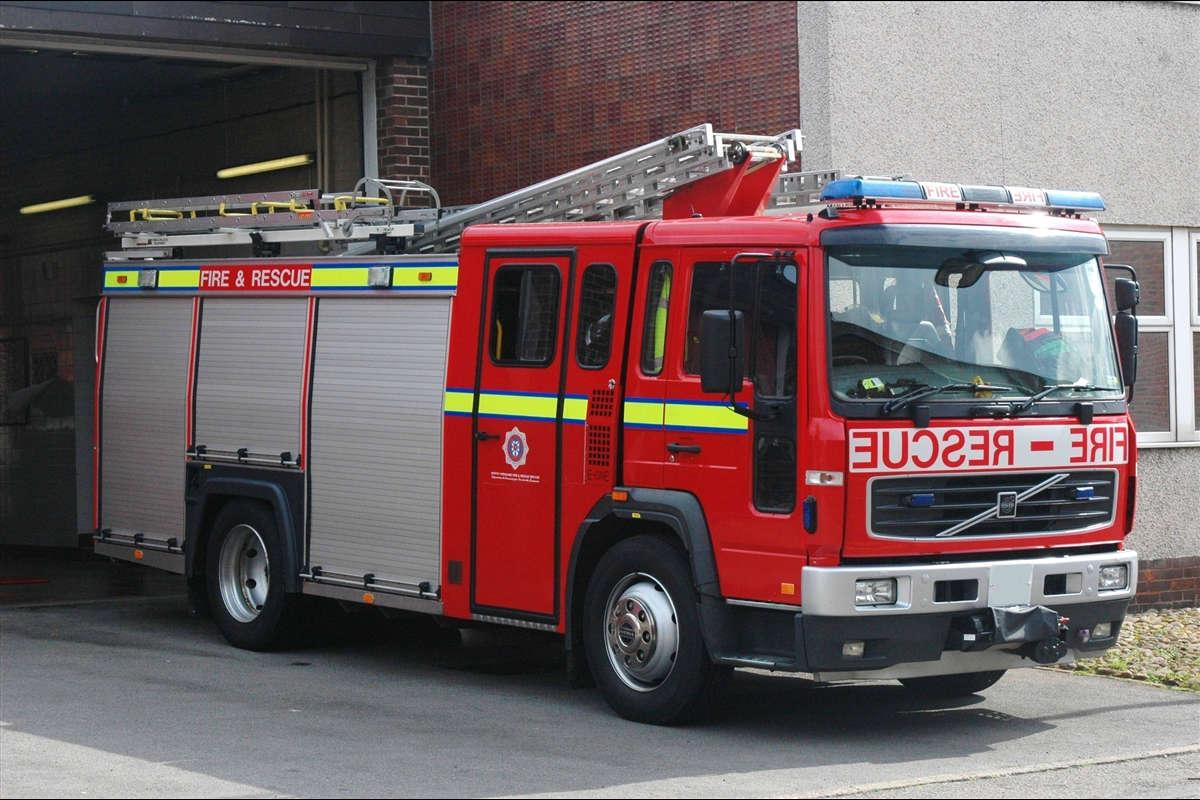
When the Fire Brigade Doesn't Come, Is Automatic Fire Detection Still Doing Its Job?
With fire and rescue services increasingly moving away from automatic attendance at unconfirmed fire alarm activations, the role of the fire alarm system is evolving. Firesense looks at what this means for businesses and why what happens after the alarm sounds matters more than ever.
For many years, businesses have worked on a simple assumption.
If a fire alarm detects a potential fire, the alarm sounds and the fire service may already be on its way.
That assumption is changing.
On 1 July 2026, North Yorkshire Fire & Rescue Service extended its policy of not automatically attending fire alarm activations at commercial premises and other buildings where people do not sleep. Unless a fire is confirmed, crews will not attend, although some higher-risk premises remain subject to a risk-based response. Domestic properties and premises where people sleep continue to receive an emergency response.
North Yorkshire is not suggesting that automatic fire alarms are any less important. In fact, quite the opposite.
The service's position is that the high number of false alarms places unnecessary pressure on resources and can reduce the availability of crews for genuine emergencies, prevention work and fire safety activities.
For years, the process was often viewed as:
Today, the reality is becoming:
An automatic fire alarm remains one of the most important components of any fire safety strategy. It provides early warning, helps protect people and can alert others to a potential incident when a building is unoccupied.
However, if an alarm signal no longer guarantees a fire service attendance, organisations need to understand what their own response arrangements look like.
- Who receives the alarm notification?
- Who investigates the activation?
- Who has access to the building?
- How quickly can the alarm be verified?
- What happens outside normal working hours?
- What procedures are in place if a fire is confirmed?
These questions cannot be answered by the fire alarm panel alone. They form part of a much wider fire safety strategy.
The Scale of the False Alarm Problem
The latest government figures show that fire and rescue services in England attended 255,047 false fire alarms in the year ending March 2026. That represented 40% of all incidents attended during the period.
Of those incidents, 172,247 were attributed to fire alarm or firefighting equipment operating in error, including accidental activations by people.
While that figure has fallen slightly, it remains significant.
Every unnecessary mobilisation ties up resources that could be needed elsewhere. From a fire and rescue service perspective, reducing unwanted alarms is an operational necessity. From a fire safety perspective, it is equally important.
An Alarm Is Only the Start
One challenge with repeated false alarms is that people can become accustomed to them.
When occupants repeatedly hear alarms that turn out not to be genuine emergencies, there is a risk that future activations are not taken as seriously as they should be.
This is not a failure of the system. It is a natural human response.
The effectiveness of any fire alarm system relies not only on good technology but also on the confidence people have in it. When an alarm sounds, people need to trust that it deserves their attention.
Reducing unwanted alarms helps protect that confidence.
Monitoring Is Not the Same as Attendance
Another common misconception is that a monitored alarm automatically means the fire service will attend.
In reality, alarm monitoring and emergency response are two different things.
An Alarm Receiving Centre (ARC) can receive an activation signal and follow agreed procedures, but attendance policies are determined by individual fire and rescue services.
For many organisations, that makes alarm verification arrangements increasingly important, particularly outside normal working hours.
Getting the Detection Right
The answer to false alarms is not making detection systems less sensitive.
A detector that misses a genuine fire is not a solution.
The real objective is appropriate detection.
Different environments create different challenges. Dust, steam, cooking fumes, aerosols, temperature changes and industrial processes can all affect detector performance.
This is where technologies such as multisensor detection can offer advantages. By assessing more than one characteristic of a potential fire, intelligent detection systems can help distinguish genuine fire conditions from common environmental influences.
Why Maintenance Matters More Than Ever
North Yorkshire Fire & Rescue Service has highlighted poor maintenance as a contributor to false alarms and continues to work with businesses to reduce unwanted activations.
Fire alarm maintenance should not simply be viewed as a compliance exercise.
If the same detector repeatedly activates, the question should not just be how quickly it can be reset.
Instead, ask:
- Why did it activate?
- Has the environment changed?
- Is the room being used differently?
- Is the detector still suitable?
- Has contamination affected performance?
- Have building alterations introduced new challenges?
Every unwanted alarm contains useful information. The better we understand the cause, the better we can prevent it happening again.
Buildings Change and Fire Risks Change
A fire alarm system may have been perfectly designed when installed, but the environment around it can change significantly over time.
Offices become kitchens. Storage areas expand. New machinery is introduced. Internal layouts are altered. Occupancy levels increase or decrease.
Each of these changes can affect the suitability of the original fire detection strategy.
This is why fire alarm systems should never be viewed as a one-time installation. They should form part of an ongoing review process linked to the building's fire risk assessment and operational risks.
The Growing Importance of the Responsible Person
Having a fire alarm system does not remove responsibility for managing fire risk.
Responsible Persons should regularly review:
- Fire alarm maintenance arrangements
- Alarm monitoring procedures
- Keyholder and out-of-hours response plans
- Staff training and evacuation procedures
- False alarm trends
- Changes in building use or occupancy
- The suitability of the fire risk assessment
Many organisations have historically assumed that an automatic alarm signal would result in an immediate fire service response. Increasingly, that assumption may no longer be valid.
Is the Industry Ready?
The shift in fire and rescue service attendance policies is not about reducing the importance of fire detection.
It is about recognising that an alarm signal alone does not always justify an emergency response.
For the fire industry, this creates an opportunity to focus on what really matters:
- Selecting the right detection technology
- Reducing unwanted alarms
- Commissioning systems correctly
- Investigating recurring activations
- Maintaining equipment effectively
- Keeping systems aligned with changing risks
- Ensuring responsible persons understand exactly what happens when an alarm activates
At Firesense, we regularly see buildings where the fire alarm system remains unchanged despite significant changes in occupancy, layout or operational activity.
The Alarm Is Not the Response
Automatic fire detection remains one of the most effective tools available for protecting people and property.
But detection is only the first step.
A fire alarm is not the fire service.
It is not an evacuation plan.
It is not a substitute for effective fire safety management.
It is one important link in a much larger chain of protection.
If the answer is unclear, the system may be working perfectly, but the fire safety strategy is not complete.
In today's fire safety environment, the organisations best protected against fire are not those that simply receive an alarm. They are the ones that already know exactly what happens when it sounds.
Need Advice on Fire Alarm Performance?
As attendance policies evolve, businesses should review their fire alarm response arrangements, maintenance programmes and fire risk assessments to ensure they remain effective.
Firesense can help investigate recurring false alarms, review system performance and ensure fire detection remains aligned with your building's risks and operational requirements.