We use cookies to make your experience better. To comply with the new e-Privacy directive, we need to ask for your consent to set the cookies. Learn more.

Boat Fire Safety Week: Fire Alarms That Save Lives on the Water
Boat Fire Safety Week: Fire Alarms That Save Lives on the Water
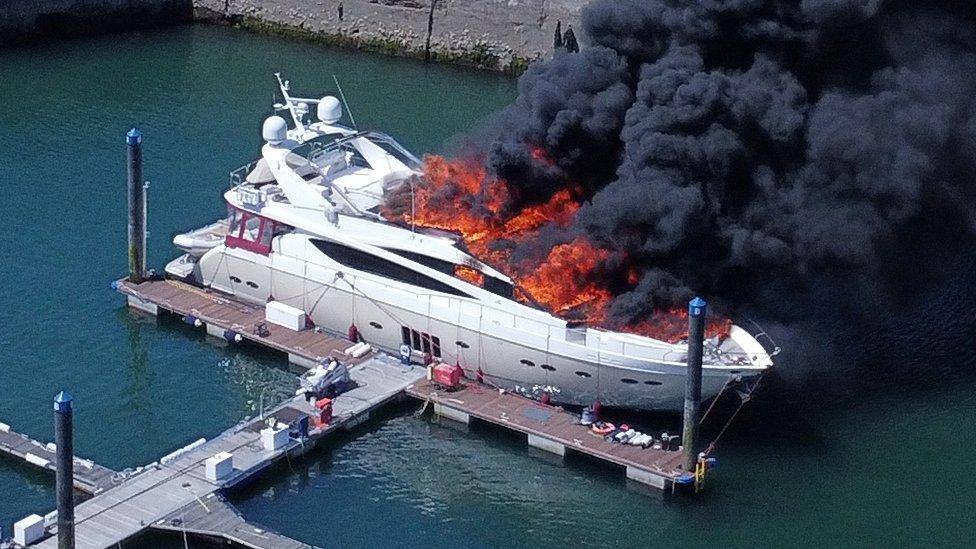
As Boat Fire Safety Week comes to a close, it’s a good time to remind ourselves that fire risks on boats are very different to those in homes or commercial buildings. Confined spaces, fuel systems, electrical equipment and limited escape routes all increase the danger when something goes wrong.
Whether you live aboard full time, spend weekends on inland waterways or manage marina facilities, prevention and early detection remain the most effective ways to protect lives and property.
Guidance from Fire Kills and the Boat Safety Scheme continues to highlight a number of common causes of fires on boats, including petrol vapours, overloaded electrical systems, poorly maintained solid fuel stoves and the growing number of lithium-ion battery incidents linked to charging equipment and e-bikes. Carbon monoxide is another serious concern, particularly in enclosed cabins where faulty appliances or blocked flues may not be immediately noticed. Smoke and toxic fumes can overwhelm occupants within moments, especially overnight.
Many fires begin quietly. A damaged charger, overheating battery, unattended cooking appliance or discarded cigarettes that haven’t quite been fully put out may seem minor at first, but on a boat conditions can change rapidly. Escape routes are often narrow, and fires can spread faster than many people realise.
That’s why reliable fire detection matters.
For boats and marine settings, choosing the correct alarm type is essential. Humidity, vibration, temperature changes and confined layouts all need to be considered carefully when selecting and installing detection equipment.
Smoke alarms and carbon monoxide alarms should never be treated as optional extras on a boat. Properly positioned alarms can provide the vital seconds needed to escape safely, particularly while occupants are asleep. Current marine fire safety guidance recommends testing alarms regularly and ensuring they are suitable for the environment they are installed in.
As more boat owners upgrade onboard electrics, solar charging systems and battery storage, the importance of correctly specified fire detection continues to grow. Lithium-ion battery fires in particular can develop extremely quickly and generate intense heat and toxic smoke, making early warning systems increasingly important across the marine sector.
Boat Fire Safety Week may only last for a few days, but fire prevention should remain part of every journey throughout the year. Regular checks, safe charging habits, well-maintained appliances and properly installed fire alarms all play a part in reducing risk on the water.
If you’re an installer, boat owner or facilities manager looking for reliable fire alarm products and support, Firesense is here to help. And if we don’t have your marine approved product, then we can offer you expert support instead.